This simultaneous cash flow hedge vs fair value hedge and opposite recognition in the P&L achieves the desired earnings offset. The effectiveness assessment must be performed at least every three months, corresponding to the reporting period. Prospective testing demonstrates the expectation that the hedge will be effective going forward.
Video Explanation Of Cash Flow
As you can see, the key difference between a cash flow hedge and a fair value hedge is the hedged item. With a cash flow hedge, you’re hedging the changes in cash inflow and outflow from assets and liabilities, whereas fair value hedges help to mitigate your exposure to changes in the value of assets or liabilities. So, while fair value hedges are best suited to fixed rate items, the benefits of cash flow hedges make them ideal for variable rate items. Fair value hedging, as well as cash flow hedging, are two highly effective accounting methods for protecting your business interests in the future against losses. If your business is subject to market volatility due to exchange rates, interest rates, and fluctuating prices then employing these risk management strategies is the right way to go. Cash flow hedges are useful for entities facing variability in cash flows due to factors like fluctuating interest rates or foreign exchange rates.
- Edited by CPAs for CPAs, it aims to provide accounting and other financial professionals with the information and analysis they need to succeed in today’s business environment.
- “The entity applying hedge accounting must demonstrate this highly effective relationship, and the amount of effort to do this will be dictated by the underlying item and transaction,” Goetsch said.
- The objective is to convert a variable-rate obligation into a synthetic fixed-rate obligation, providing certainty regarding future interest payments.
- In contrast, a fair value hedge is used to hedge changes in the fair value of an asset, liability, or firm commitment.
- To protect its net investment in the European subsidiary, a company takes out a loan in euros.
- Hedging is a risk management strategy that companies use to limit or offset the probability of any losses in fluctuation of prices in commodities, currencies, securities, or interest rates.
Fair Value Hedge vs Cash Flow Hedge
- This makes it easier to evaluate the effectiveness and efficiency of the hedge, and to adjust it if necessary.
- Prospective testing demonstrates the expectation that the hedge will be effective going forward.
- Without hedge accounting, derivative gains and losses would create misleading volatility in financial statements, obscuring the effectiveness of your risk management efforts.
- Therefore, EU producer effectively fixed the exchange rate to 1.10 USD/EUR and know exactly what amount of EUR it will receive for the products sold to the US customer.
- This explanation will break down each type of hedge, outline their key differences, and help you understand when each strategy is most appropriate.
IFRS 9 modernizes hedge accounting with streamlined rules for financial instruments. GAAP standard for derivatives and hedging activities, detailing hedge accounting requirements like effectiveness criteria and documentation. Hedging instruments are a crucial part of cash flow hedges, and they come in different forms.
- Gains and losses of the hedging instruments are aligned with the recognition of the hedged item’s gains and losses.
- The “best” strategy isn’t universally applicable; it depends entirely on a company’s specific risk profile and financial goals.
- The company is concerned that interest rates may fall, pushing up the fair value of the debt, resulting in an economic disadvantage if it wants to repurchase and refinance later.
- The net effect on earnings is the period’s amortization of the initial premium or discount on the foreign currency forward contract.
- This simultaneous and opposite recognition in the P&L achieves the desired earnings offset.
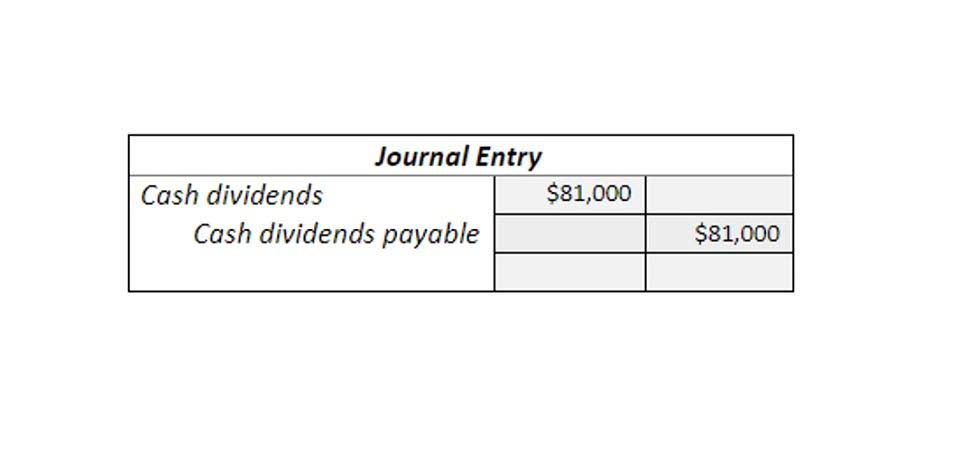
Illustrative Journal Entries for Cash Flow Hedges

In order to create a hedge, the company can go for a forward contract with some other party. The prices in the market of the US depend on various factors like environmental factors, demand, and supply of the product, exchange rate variations, etc. Due to these factors, the prices of the different commodities, including cotton, increase or decrease, and sometimes this increase or decrease is very sharp. This basis adjustment remains on the balance sheet and is amortized into earnings over the remaining life of the hedged item. The amortization ensures that the carrying value of the hedged item eventually returns to its contractual maturity value.
- So, there’s a foreign currency risk because within those 6 months, the exchange rate of USD/EUR can shift to either direction.
- By entering into commodity futures to lock in prices on its upcoming inventory purchases, the company can shelter itself from sudden ups and downs in cocoa prices.
- The hedge accounting standard is now easier to apply, and companies may want to explore whether to implement it.
- Grasping these standards is essential, especially if you operate internationally or must meet specific regulatory demands.
- While fair value hedges stabilize the value of fixed-rate items, cash flow hedges focus on ensuring cash flow predictability for variable-rate items.
- Readers should find value in this discussion as a reference for advanced managerial decision-making, financial reporting, and exam preparation.
- Hedge accounting is a practice that helps mitigate the effects of market volatility on financial statements by synchronizing the recognition of gains and losses from hedging instruments with their corresponding hedged items.

The below entries are based on the date of reporting the entries on the financial statement. At its financial year end, i.e. 31 December 2015, USD had appreciated to 1.45/EUR and the company had operated a total of 1,000 kilometers over the one-month period. HighRadius leverages advanced AI to detect financial anomalies with over 95% accuracy across $10.3T in annual transactions. With 7 AI patents, 20+ use cases, FreedaGPT, and LiveCube, it simplifies complex analysis through intuitive prompts. Backed by 2,700+ successful finance transformations and a robust partner ecosystem, HighRadius delivers rapid ROI and seamless ERP and R2R integration—powering the future of intelligent finance. The protocol stated that the miners could submit a projection of their transactions for a certain period so that they net sales can arrange the cash for them.

One way to reduce this risk is to use hedging instruments, such as derivatives, to lock in a fixed or favorable rate or price for a future transaction. Depending on your accounting standards and objectives, you may have to choose between fair value hedges and cash flow hedges. In this article, we will explain the difference between these two types of hedges, and their benefits and challenges for cash flow forecasting. The change in fair value of a foreign currency forward contract designated as a cash flow hedge with hedge effectiveness based on changes in forward rates is currently recognized in other comprehensive income. The net effect on earnings is the period’s amortization of the initial premium or discount on the foreign currency forward contract. In summary, How to Start a Bookkeeping Business cash flow hedges offset variability in future cash flows, fair value hedges offset changes in asset/liability values, and net investment hedges offset foreign currency exposure from foreign operations.